
Yes, you can take CBD and ashwagandha together. For most healthy adults, combining them is generally safe and can be complementary. The two work through different biological pathways, which is exactly why pairing them makes physiological sense. That said, a few important caveats apply before you start.
- Different mechanisms, different timelines. Ashwagandha (Withania somnifera) modulates the HPA axis and cortisol levels over weeks of consistent use. CBD influences the endocannabinoid system and serotonin receptors, with effects that can appear within hours depending on the form you take.
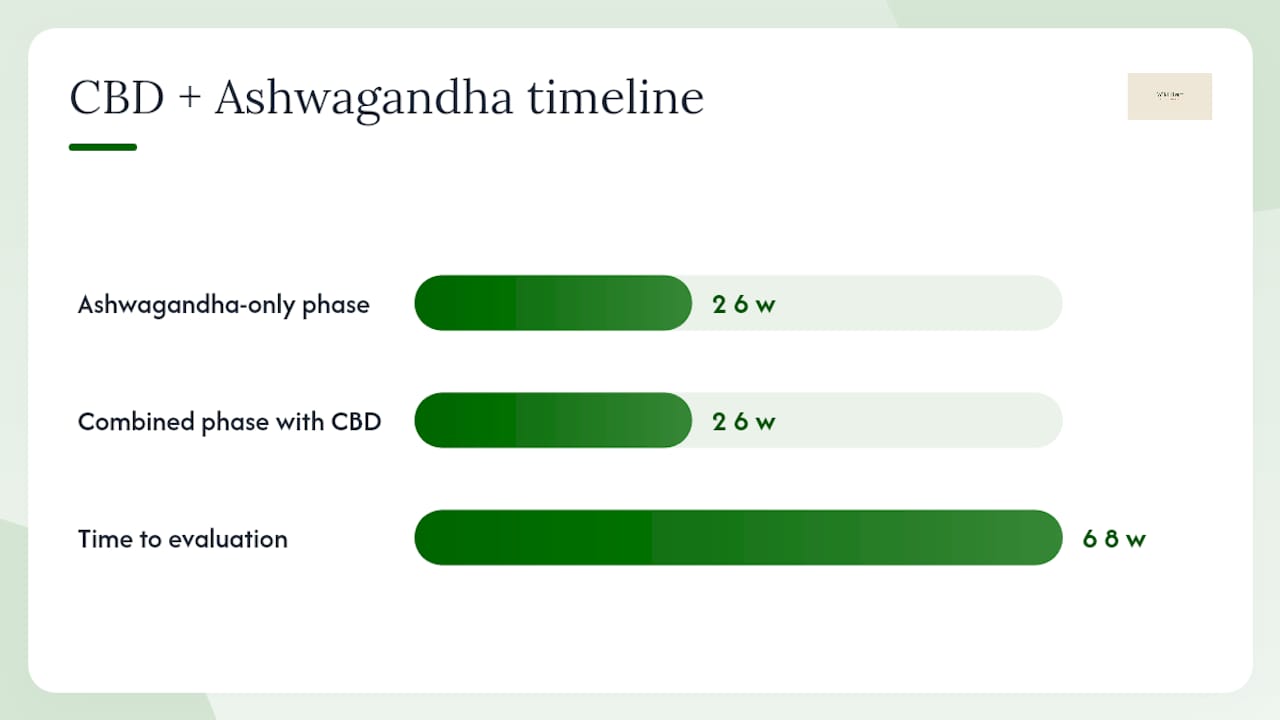
- Onset gap matters. Expect ashwagandha to take 4–8 weeks to show meaningful results. CBD’s effects on acute anxiety can appear the same day, though chronic benefits build over 2–4 weeks.
- Safety reminder. If you take any prescription medication, CBD’s interaction with liver enzymes is a real concern. Start one product at a time, and check with a pharmacist or clinician before combining them.
The practical framing: Think of ashwagandha as your long-term stress-resilience foundation and CBD as your on-demand support for acute spikes in anxiety or sleepless nights. They don’t compete. They cover different windows.
Key Takeaways
Taking CBD and ashwagandha together is generally safe for healthy adults, but the combination works best when you treat ashwagandha as your daily stress-resilience foundation and CBD as targeted support for acute anxiety or sleep, while confirming no drug interactions apply to you.
| Point | Details |
|---|---|
| Complementary mechanisms | Ashwagandha modulates the HPA axis over weeks; CBD acts on the endocannabinoid system and can work within hours. |
| Evidence-backed doses | Ashwagandha trials use 300–600 mg/day; CBD research doses are higher than most OTC products provide. |
| Drug interaction risk | CBD inhibits CYP3A4 and CYP2C19, affecting many prescription medications; check with a pharmacist first. |
| Quality matters | Retail CBD products vary widely in actual content; always verify with a third-party COA before buying. |
| Wild Heart Supplements | Offers full-spectrum CBD gummies and oils with clear per-serving dosing, designed for daily stress and sleep support alongside supplements like ashwagandha. |
Table of Contents
- What CBD and ashwagandha actually are
- What the research shows for stress, anxiety, and sleep
- How each works and why they can complement each other
- Side effects, drug interactions, and who should avoid combining them
- Practical dosing, timing, and how to start
- How to choose high-quality CBD and ashwagandha products
- A step-by-step plan to combine CBD and ashwagandha safely
- What most CBD and ashwagandha guides get wrong
- Wild Heart Supplements for your CBD and ashwagandha routine
- Sources
What CBD and ashwagandha actually are
CBD (cannabidiol) is a phytocannabinoid extracted from hemp (Cannabis sativa L.). It doesn’t produce a high. Instead, it interacts with the endocannabinoid system and several neural receptors, including 5-HT1A serotonin receptors, which researchers believe contribute to its calming effects. Common forms include sublingual oils, gummies, and capsules. Sublingual oils typically absorb in 15–45 minutes; gummies take 45–90 minutes or longer.
Ashwagandha is the root extract of Withania somnifera, a plant used in Ayurvedic medicine for centuries. Its active compounds, called withanolides, are associated with HPA-axis regulation and measurable reductions in cortisol. It’s classified as an adaptogen, meaning it’s thought to help the body resist physical and psychological stress over time. Standardized extracts (labeled with a withanolide percentage) are what clinical trials use, and they’re what you should look for on product labels.
Why form matters: A standardized ashwagandha capsule delivers a consistent withanolide dose. A non-standardized root powder may not. Similarly, a sublingual CBD oil hits faster than a gummy. Matching the form to your goal, quick relief versus daily baseline support, shapes how well either ingredient performs.
What the research shows for stress, anxiety, and sleep
The evidence base for ashwagandha is more developed than for CBD, at least in human trials.
Randomized controlled trials of standardized ashwagandha extracts report moderate reductions in perceived stress and measurable serum cortisol reductions versus placebo over 60–90 days. Reported cortisol reductions across trials commonly fall in a moderate range compared with placebo, depending on the extract and dose used. Clinical studies typically run 6–12 weeks, with the strongest effects appearing by weeks 6–12. The withanolides in standardized extracts are specifically linked to HPA-axis regulation and lower morning cortisol in these trials.
CBD’s clinical picture is more mixed. Some controlled trials and case reports show CBD can reduce acute anxiety, but most of the rigorous positive trials use higher, research-grade doses than what most over-the-counter products contain. One well-cited example: small acute-protocol trials found that a single high dose of CBD reduced anxiety measures in simulated public-speaking tests. Sleep results from CBD trials are more inconsistent, with some studies showing improvement and others showing minimal effect at lower doses.
| Ingredient | Evidence strength | Typical trial dose | Onset | Primary outcome |
|---|---|---|---|---|
| Ashwagandha | Multiple RCTs, meta-analyses | 300–600 mg/day | 4–8 weeks | Cortisol, perceived stress |
| CBD | Smaller, mixed trials | 150–600 mg (research); lower OTC | Hours to weeks | Acute anxiety, sleep (variable) |
Statistic to keep in mind: Cortisol reductions of 14–30% versus placebo across ashwagandha RCTs represent a meaningful physiological shift, not just a subjective feeling. That’s the kind of signal that makes the herb worth the 6–8 week commitment.
How each works and why they can complement each other
Understanding the mechanisms helps explain why combining ashwagandha and CBD together isn’t redundant.
Ashwagandha’s pathway:
- Withanolides modulate the HPA axis, the brain-adrenal feedback loop that governs cortisol release.
- Effects are cumulative. Daily dosing gradually recalibrates the stress response over weeks.
- Some research suggests possible GABAergic activity, which may contribute to the herb’s calming and sleep-supporting effects.
CBD’s pathway:
- Cannabidiol modulates endocannabinoid tone by influencing CB1 and CB2 receptors indirectly.
- Preclinical and clinical evidence links CBD to 5-HT1A serotonin receptor activity, which plausibly explains its anxiolytic effects.
- CBD also interacts with TRPV1 and other ion channels, contributing to its broader physiological profile.
- Onset is faster, especially with sublingual oils, making it useful for situational stress rather than baseline maintenance.
The practical implication is straightforward. Ashwagandha builds resilience from the ground up, lowering your baseline cortisol and improving how your body handles chronic stress. CBD addresses the acute moments, the 3 AM wake-up, the pre-meeting anxiety spike, that ashwagandha’s slower timeline can’t cover in real time. They don’t duplicate each other’s work.
Side effects, drug interactions, and who should avoid combining them
This is where you need to pay close attention, especially if you take any prescription medications.
Common side effects:
- Ashwagandha: GI upset (most common), loose stools, drowsiness at higher doses.
- CBD: dry mouth, drowsiness, changes in appetite, and potential GI discomfort.
- Combined: additive sedation is possible, particularly at higher doses of both. Don’t drive or operate machinery until you know how the combination affects you.
Drug interactions: CBD inhibits cytochrome P450 enzymes including CYP3A4 and CYP2C19, which are responsible for metabolizing a wide range of medications, including blood thinners, antiepileptics, antidepressants, and immunosuppressants. If CBD slows how your liver processes a drug, that drug’s concentration in your bloodstream can rise to unintended levels. Ashwagandha carries fewer CYP enzyme risks, but it does have thyroid-stimulating effects and may amplify immunosuppressant activity.
Who should avoid or consult a clinician first:
- Pregnant or breastfeeding women (both ingredients carry insufficient safety data for this group)
- People with autoimmune conditions (ashwagandha may stimulate immune activity)
- Those with thyroid disorders or on thyroid medication
- Anyone on drugs metabolized by CYP3A4 or CYP2C19
- People subject to workplace drug testing (full-spectrum CBD products can cause positive THC results)
The NCCIH notes ashwagandha is generally well tolerated but specifically advises caution during pregnancy and for people with autoimmune or thyroid conditions. That’s a federal health agency’s guidance, not a supplement brand’s disclaimer. Take it seriously.
Practical safety steps: Run both products by a pharmacist before starting, especially if you take any daily prescription. Introduce one ingredient at a time. Start at the lowest available dose.
Practical dosing, timing, and how to start
Ashwagandha doses used in clinical trials:
The NIH Office of Dietary Supplements identifies 300–600 mg/day of standardized extract as the common study range, with most trials running 8–12 weeks. Starting at 300 mg once daily (typically with food to reduce GI upset) is a reasonable entry point. Many people split the dose, 300 mg morning and 300 mg evening, once they’ve confirmed tolerability.

CBD doses:
OTC supplements commonly range from 10–50 mg per serving. Research trials have used 150–600 mg, which is substantially higher than what most retail products provide. Sublingual oils absorb in roughly 30–90 minutes; gummies take longer. For sleep support, a dose 30–60 minutes before bed makes sense. For daytime anxiety, a lower dose in the morning or midday is more appropriate.
Timeline to judge results: Expect ashwagandha to take 4–8 weeks before you can fairly evaluate its effect. CBD’s acute effects can be assessed the same day; chronic benefits build over 2–4 weeks of consistent use.
Stepwise approach:
- Start ashwagandha alone at 300 mg/day for 2–4 weeks. Track mood, energy, and sleep quality.
- If well tolerated, add a low-dose CBD product (10–15 mg) and continue tracking for another 2–4 weeks.
- Adjust doses gradually, one variable at a time, so you can attribute any change to the right ingredient.
- Note any new side effects, especially drowsiness, GI changes, or mood shifts.
- If you’re taking prescription medications, get a pharmacist review before step 2.
Pro Tip: Take ashwagandha with your evening meal if sleep support is your primary goal. For daytime stress resilience, a morning dose works well. CBD timing depends on your target: sublingual oil before bed for sleep, a lower-dose gummy midday for sustained calm.
How to choose high-quality CBD and ashwagandha products
Product quality varies enormously in both categories. Authoritative reviews have found inconsistent labeling and variable cannabinoid content across retail CBD products, which means what’s on the label isn’t always what’s in the bottle. A third-party Certificate of Analysis (COA) is the minimum standard.
CBD quality checklist:
- Third-party COA from an ISO-accredited lab, confirming cannabinoid profile and THC levels.
- Clear mg-per-serving dosing (not just total mg per bottle).
- Transparent sourcing: US-grown hemp, extraction method disclosed.
- Full-spectrum, broad-spectrum, or isolate clearly labeled (relevant for drug testing concerns).
Ashwagandha quality checklist:
- Standardized extract with withanolide percentage stated on the label (typically 2.5–5%).
- Third-party testing for heavy metals and contaminants.
- Dose per serving clearly stated in mg.
Form decisions:
- Sublingual CBD oil gives the most dosing precision and fastest onset.
- Gummies are convenient and consistent per serving, though onset is slower.
- Capsules work well for ashwagandha when you want a set daily dose without taste.
Wild Heart Supplements’ CBD gummies for stress and sleep-focused CBD gummies are formulated with full-spectrum CBD and functional plant ingredients, with clear per-serving dosing. Their daily support gummies are designed for consistent, ongoing use alongside other supplements like ashwagandha.
Pro Tip: When drug testing is a concern, choose a certified THC-free broad-spectrum or isolate CBD product with a COA that confirms non-detectable THC. Mislabeled full-spectrum products are the most common cause of unexpected positive test results.
A step-by-step plan to combine CBD and ashwagandha safely
- Confirm you’re a good candidate. Review the contraindications above. If you’re pregnant, breastfeeding, have an autoimmune or thyroid condition, or take prescription medications, consult a clinician before starting either ingredient.
- Choose your products. Select a standardized ashwagandha extract (withanolide percentage on label) and a third-party tested CBD product with a COA. Decide on form based on your goals.
- Start ashwagandha first. Begin at 300 mg/day for 2–4 weeks. Log your baseline mood, sleep onset, sleep quality, daytime energy, and any side effects before you start.
- Track weekly. Use a simple notes app or journal. Rate sleep quality, morning energy, and stress levels on a 1–10 scale each day. This gives you a real before-and-after picture.
- Add CBD at week 3 or 4. Start at 10–15 mg per day. Keep the same tracking routine for another 2–4 weeks. Don’t change the ashwagandha dose at the same time.
- Evaluate and adjust. After 6–8 weeks on both, review your logs. If you’re seeing improvement without side effects, you can consider modest dose increases, one at a time. If you notice drowsiness, GI issues, or mood changes, reduce the most recently added or increased ingredient first.
When to pause and get medical advice:
- New or worsening anxiety, depression, or mood instability.
- Unexplained fatigue or significant sleep disruption after starting.
- Any sign of allergic reaction.
- A new prescription medication added to your routine.
Pro Tip: Don’t change both doses in the same week. Isolating variables is the only way to know which ingredient is responsible for a change, good or bad.
What most CBD and ashwagandha guides get wrong
Most articles on this topic treat CBD and ashwagandha as interchangeable stress supplements, as if you pick one or the other based on preference. That framing misses the point entirely.
The research tells a more specific story. Ashwagandha has a genuinely solid evidence base for chronic stress and cortisol reduction, built across multiple randomized controlled trials. CBD’s evidence is real but narrower, strongest for acute anxiety in specific protocols, and at doses most OTC products don’t come close to matching. Treating them as equivalent is like comparing a daily multivitamin to an as-needed pain reliever. Both useful, completely different jobs.
The other thing most guides understate is the drug interaction issue. CBD’s inhibition of CYP3A4 and CYP2C19 isn’t a theoretical footnote. It’s a clinically documented pharmacological effect that can raise blood levels of dozens of common medications. Anyone on a daily prescription who reads a casual “yes, totally safe to combine” article and skips the pharmacist conversation is taking a real risk.
What actually matters most here: the timeline. People abandon ashwagandha after two weeks because they don’t feel anything yet. The trials that show meaningful cortisol reductions run 8–12 weeks. If you’re not willing to commit to that window, you’re not giving the herb a fair test. CBD can fill the gap in the meantime, handling the acute moments while ashwagandha does its slower, structural work.
Start with the ingredient that matches your most urgent need. Track your results. Don’t change two variables at once. That’s the whole protocol.
Wild Heart Supplements for your CBD and ashwagandha routine
If you’ve decided to add CBD to a daily ashwagandha routine, the product you choose matters more than most people realize. Inconsistent labeling is a documented problem across the retail CBD market, and a supplement that doesn’t deliver what the label says won’t give you a fair trial.
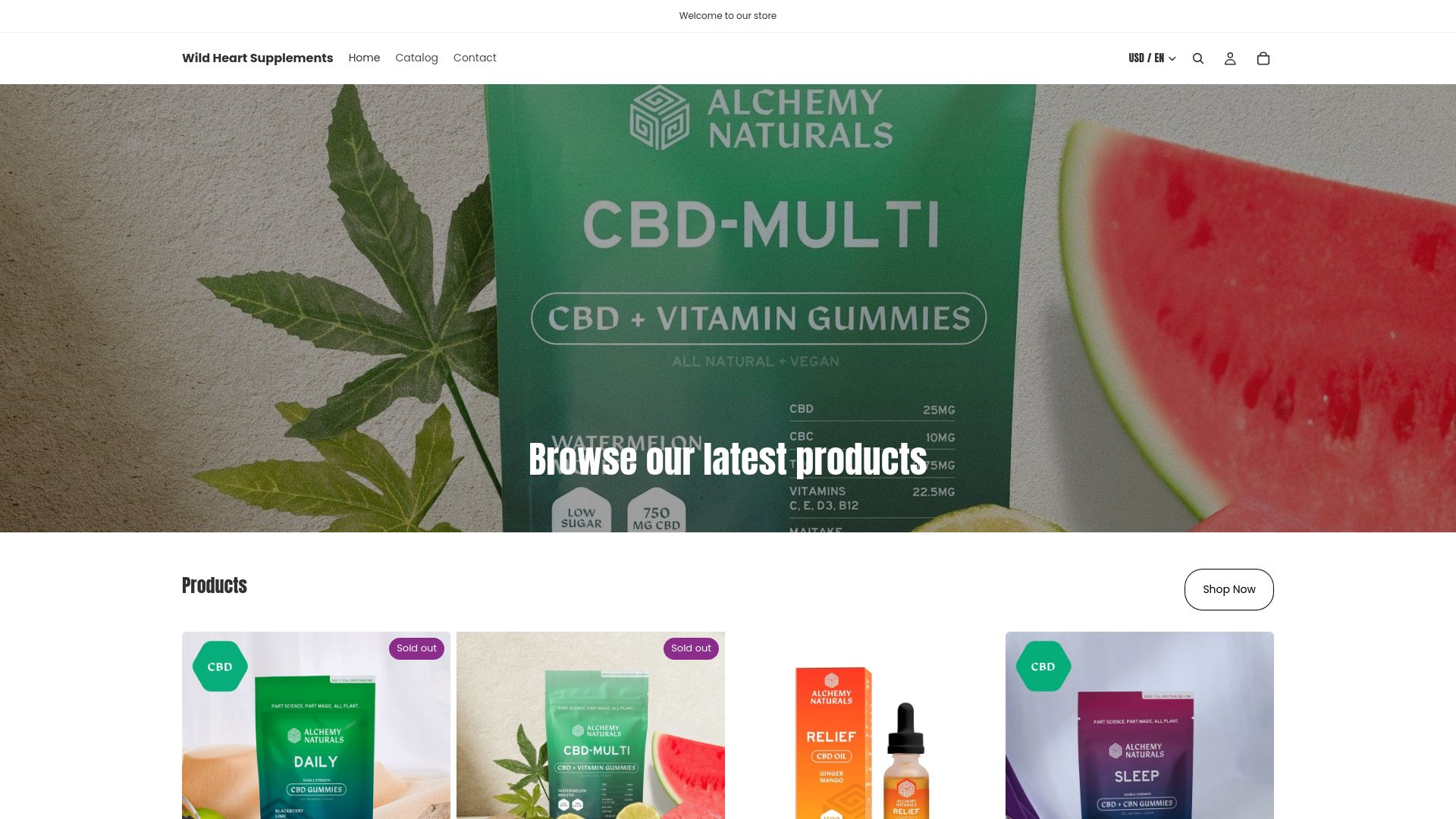
Wild Heart Supplements offers full-spectrum CBD gummies and oils formulated specifically for stress relief, sleep support, and daily wellness. Every product includes clear per-serving dosing, so you know exactly what you’re taking alongside your ashwagandha. Their sleep CBD oil is a strong option for evening use, and their full-spectrum sleep gummies pair CBD with CBN for targeted nighttime support. For daytime use, the CBD gummies and tinctures collection covers a range of formats and strengths. Browse the range and find the form that fits your routine.
This article is for general informational purposes only and is not a substitute for professional medical advice. Consult a qualified healthcare provider before starting any new supplement, especially if you take prescription medications or have an existing health condition.
Sources
Recommended
- CBD Gummies for Stress Relief | Full Spectrum + Mushroom | Wild Heart – Wild Heart Supplements
- CBD + CBN for Sleep: Does It Actually Work? | Wild Heart – Wild Heart Supplements
- 6-Pack: New Intimacy CBD Formulation (Maca, Horny Goat Weed, Tribulus, – Wild Heart Supplements
- 6-Pack CBD Relief Oil 1500mg | Bulk Pain Relief | Wild Heart – Wild Heart Supplements